Best San Diego Home Remodeling Services for Interior Renovations
Home Makeover Made Effortless: A Comprehensive Manual for Householders
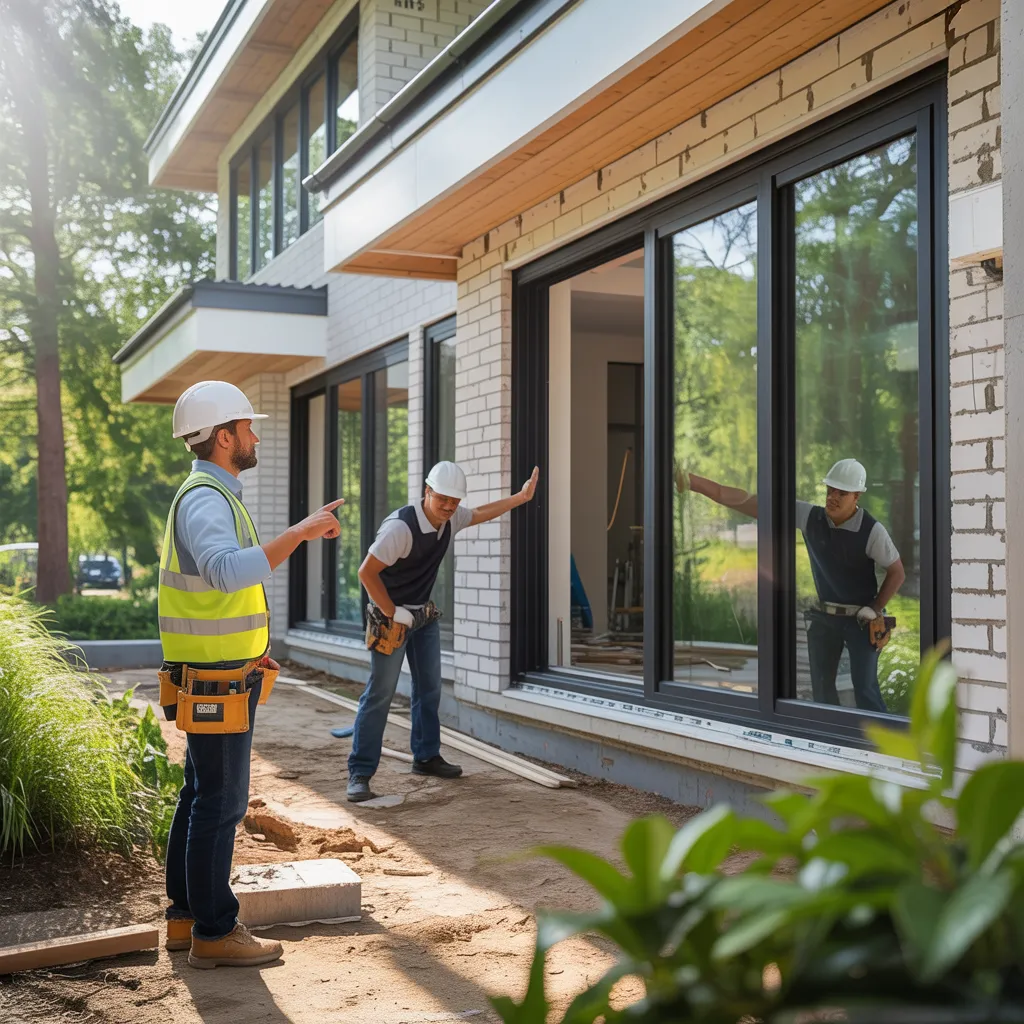
Home remodeling can pose an daunting task for many homeowners. Recognizing one's requirements and establishing practical goals is vital. A structured approach can make the process smoother and more productive. This guide offers helpful insights into financial planning, design, and selecting the right materials. Property owners may find themselves considering the best methods for handling these challenges. What critical steps should they evaluate to guarantee a successful overhaul of their living spaces?
Examining Your Requirements and Desired Outcomes
When examining their wants and objectives for home renovation work, homeowners often contemplate where to begin. The first step involves a thorough assessment of their actual home state and desired outcomes. Homeowners should consider targeted spaces that call for modification, such as outdated kitchens, poor storage solutions, or inadequate living space. Pinpointing these matters can help prioritize projects based on pressing need and obligation.
In addition, homeowners should think about their future plans. Are they looking to boost comfort, raise property value, or create a more practical space for family occasions? Understanding these objectives will guide the remodeling process and confirm that the final outcome corresponds to their expectations.
Additionally, obtaining feedback from family members can be advantageous, as different viewpoints may expose further needs or desires. By spending time to assess their goals and needs, homeowners can establish a strong foundation for a successful renovation undertaking.
Establishing a Achievable Budget
Developing a feasible budget is crucial for a successful renovation project. Homeowners should begin by projecting project costs, accounting for materials, labor, and visual features. Additionally, designating contingency funds can support handle unexpected expenses that may surface during the remodeling process.
Evaluate Undertaking Expenses
A comprehensive grasp of remodeling expenses is essential for homeowners starting on a renovation project. To accurately estimate expenses, they should consider elements including supplies, workmanship, permits, and unexpected problems. Researching regional pricing for supplies and hiring contractors can provide a more transparent budget overview. Homeowners should also factor in the size and complexity of the project, as these elements considerably influence expenses. Developing a comprehensive inventory of necessary supplies and labor will help in compiling quotes. It is recommended to obtain multiple quotes from builders to guarantee favorable rates. By setting a precise budget
Designate contingency funds for unanticipated expenses
Calculating construction expenses establishes the foundation for sound budgeting, but homeowners must also consider unexpected expenses that may occur during a remodeling project. A common recommendation is to set aside a reserve fund, typically ranging from 10% to 20% of the total budget. This assignment serves as a monetary cushion, allowing homeowners to address unexpected problems such as foundation work or material price increases without derailing the whole undertaking. By planning for these possible expenses in beforehand, homeowners can maintain greater control over their finances and reduce stress throughout the renovation timeline. Ultimately, a carefully planned budget that contains reserve allocations enhances the likelihood of a prosperous and gratifying remodeling outcome.
Planning Your Area
How can dwellers proficiently organize their room to reflect their distinctive character while boosting efficiency? To accomplish this, they should start by evaluating their expectations and lifestyle. Grasping how each room will be occupied shapes the overall layout and traffic pattern. Homeowners might contemplate establishing compartments for different activities, ensuring that busy zones remain clear and usable.
Including elements that feature personal preference, such as color schemes, furniture selections, and decorative accents, enables a one-of-a-kind presentation without forgoing practicality. Additionally, leveraging dual-purpose furniture can maximize room optimization, especially in smaller areas.
Natural light is another critical point; expanding window space or placing mirrors can produce a more engaging mood. Finally, homeowners must consider balance and size, confirming that furniture harmonize with the room's size while upholding a organized aesthetic. Through merging intentional design with aesthetic choices, homeowners are able to construct a unified living space matched to their tastes.

Choosing Products and Surface Treatments
When selecting materials and surface treatments, property owners should prioritize both visual appeal and durability to ensure their selections withstand the test of time. The decision-making process begins with understanding the desired style of the space, as different materials can create different atmospheres. For instance, natural wood can create warmth, while sleek metals may impart a modern edge.
Owners of homes should also assess the maintenance requirements of each material. Some finishes may involve more upkeep than others, shaping long-term satisfaction. Additionally, budget constraints are significant; selecting excellent yet economical options can establish lasting value.
Sustainability is becoming increasingly crucial, encouraging many to select green materials that decrease environmental impact. Finally, homeowners should gather samples to visualize how chosen materials will coordinate with lighting and existing elements in the space. This hands-on approach aids in making informed decisions that align with both personal style and practical needs.
Hiring the Best Professionals
Employing professionals for home remodeling requires homeowners to carefully assess their qualifications and experience to guarantee quality workmanship. Comparing cost estimates from various service providers can help in determining budget-conscious choices. These essential steps are important in finding the right expertise for a successful remodeling project.
Evaluating Skills and Experience
Recruiting the right experts for a home remodeling project requires thorough consideration of their qualifications and experience. Property owners should start by confirming qualifications, ensuring that professionals have the required licenses and certifications relevant to the project. Furthermore, examining a collection of previous work can provide insight into a contractor's approach and level of workmanship. It is also advantageous to seek testimonials from past clients to gauge satisfaction and dependability. Experience in particular kinds of remodeling, such as kitchen or bathroom renovations, can be vital; experts often discover details on have the refined abilities needed for complex tasks. Ultimately, a thorough assessment of credentials and experience will help property owners choose professionals who can successfully execute their vision while conforming to industry standards.
Analyzing Price Quotations In an Effective Manner
Assessing cost estimates is a vital aspect of the hiring process for residential remodeling projects. Homeowners ought to acquire estimates from various contractors to confirm a thorough comparison. Each proposal should specify labor, materials, and any additional charges, facilitating an accurate head-to-head review. It is important to examine both the overall cost and the extent of work contained within each proposal. Homeowners should be skeptical about unusually low quotes, as they could signal substandard work or undisclosed fees. Discussing matters with contractors regarding their proposals can supply information about their methodology and transparency. In the end, picking a contractor should combine price and the worth of quality workmanship, supporting a successful renovation experience.
Navigating the Renovation Process
Although the remodeling undertaking can seem challenging, homeowners can succeed by following several essential steps. At the outset, they should establish a clear vision of their work, outlining desired outcomes and specific features. Afterward, setting up a workable budget is necessary, keeping in mind materials, labor, and unpredictable expenses. Looking into and engaging trustworthy contractors can also yield positive results; homeowners should seek referrals and check reviews before deciding.
Once a contractor is picked, strong dialogue is essential. Homeowners should discuss timelines, project scope, and any concerns upfront to prevent misunderstandings. During the remodeling phase, regular check-ins with the contractor will help guarantee that the project stays on track and adheres to the agreed-upon plan. Finally, being flexible with modifications, whether due to unexpected issues or new ideas, can enhance the overall experience, leading to a successful and satisfying remodeling outcome.
Frequently Asked Information
What Duration Can You Foresee for a Typical Home Renovation Project?
A standard home renovation work typically takes anywhere from a few weeks to several months, influenced by the scope of the undertaking, home square footage, and any unexpected setbacks that may transpire during the timeline.
What Permits Are Mandatory for Home Remodeling?
Remodeling of a home typically demands multiple permits, encompassing building, electrical, plumbing, and zoning permits. The exact specifications depend on area ordinances and the project's scope, maintaining compliance with safety and construction standards during renovations.
How Can I Reduce Disruptions During Renovation?
To minimize disruptions during renovation, one should develop a clear timetable, liaise with construction professionals, designate designated work zones, and alert occupants about plans. This organization enables keep regular schedules and reduces anxiety throughout the undertaking.
What Actions Can I Pursue if I Surpass My Spending Plan?
If a budget is overrun, he should examine the factors, focus on essential modifications, and investigate possible ways to reduce expenses. Clear dialogue with contractors and exploring different material options can also help adjust spending with project goals.
How Can I Verify Quality Work Quality?
To guarantee excellent workmanship, one must investigate and hire reputable contractors, check references, review past projects, and create clear communication about expectations, timelines, and materials. Regularly checking progress further helps keep high standards throughout the project.